Is strength training safe during pregnancy?
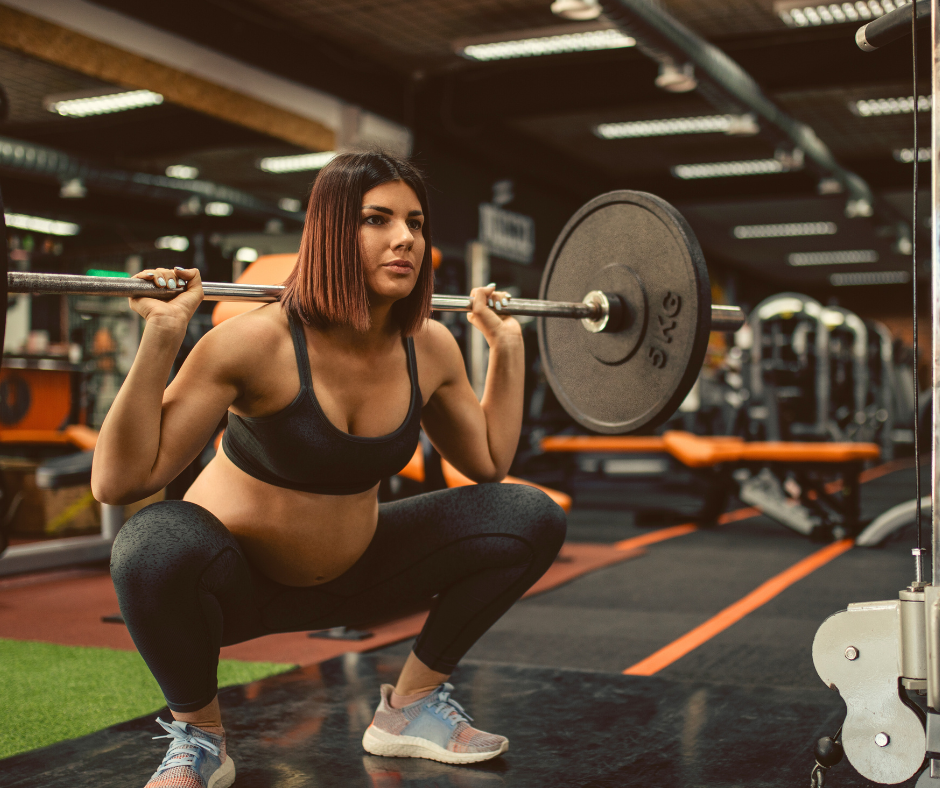
Yes - for most people, strength training during pregnancy is safe, beneficial, and supported by current research. The key is not how much you lift, but how training is approached and how your body responds.
What does the evidence say?
Research and clinical guidelines consistently show that resistance training during uncomplicated pregnancies is safe and recommended when appropriately programmed.
Strength training during pregnancy has been shown to:
help maintain muscle strength and lean tissue
support posture and spinal loading as the body changes
reduce the risk and severity of pregnancy-related back and pelvic pain
improve tolerance to daily activities like lifting and carrying
support mental wellbeing and confidence in movement
Importantly, studies show no increased risk of miscarriage, preterm birth, or harm to the baby when strength training is modified and monitored appropriately in healthy pregnancies.
On the other hand, avoiding resistance training altogether may contribute to deconditioning, increased fatigue, and reduced tolerance to physical demands as pregnancy progresses.
Why strength training makes sense during pregnancy
Pregnancy places new physical demands on the body, and as pregnancy progresses, there are changes in:
centre of mass
breathing mechanics
joint mobility
load through the spine, pelvis, and hips
Strength training helps the body adapt to these changes by maintaining strength, control, and movement capacity, rather than simply coping with increasing load.
One size does not fit all
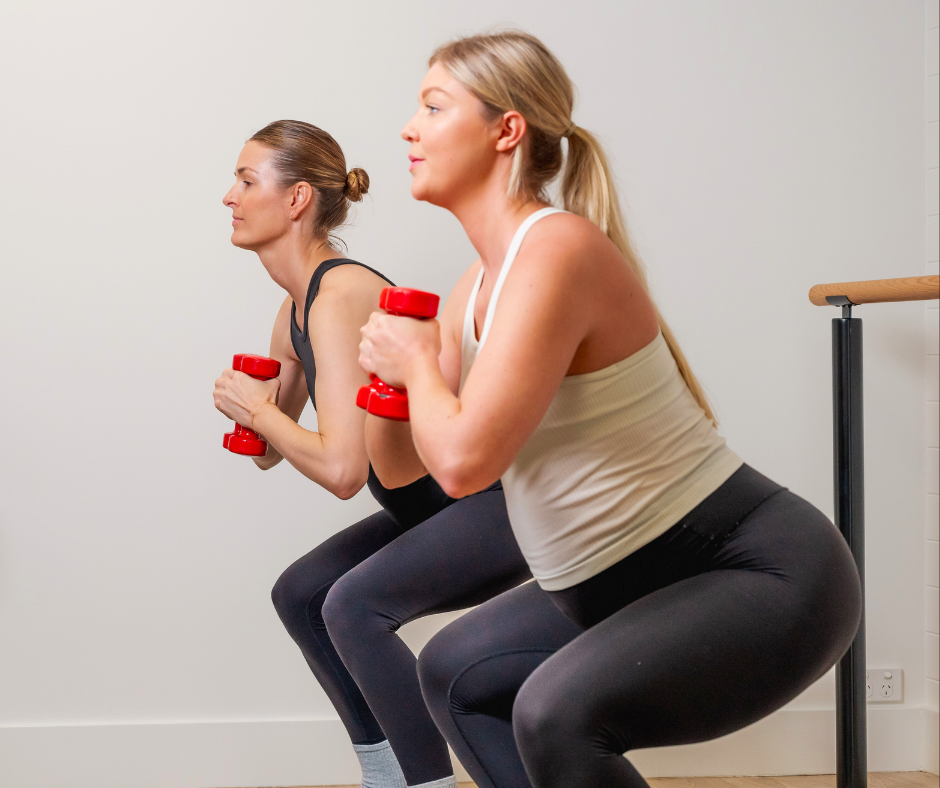
Two pregnant people or even two pregnancies in the same person can perform the same exercise and have very different experiences, and both can be completely appropriate.
What’s suitable at any given time is influenced by:
training history
previous strength levels
movement strategies and technique
injury history
recovery capacity
Someone with a strength background may continue lifting moderate loads comfortably, while someone new to strength training may need a gentler starting point. Neither approach is better they simply reflect different needs.
Listening to your body matters more than numbers
There is no universal “correct” weight to lift during pregnancy; more useful markers to pay attention to include:
how you feel during the session
whether symptoms appear or worsen
how you feel later that day
how you feel the following day
Signs that training may need adjusting include:
pain (especially sharp or persistent pain)
feelings of heaviness or pressure
breath holding or excessive strain
fatigue that lingers longer than expected
excessive or uncontrolled hard doming or coning
Progress during pregnancy is rarely linear, and that’s completely normal.
What about core training?
Core training during pregnancy is often misunderstood. The goal is not to:
prevent abdominal separation
avoid all abdominal work
brace constantly
Instead, the aim is to:
coordinate breathing with movement
manage intra-abdominal pressure
support efficient load transfer during exercise and daily tasks
Core training should be integrated, adaptable, and responsive, not rigid or fear-based.
Who may benefit from individual guidance?
While strength training is safe for most people, additional support can be helpful if you:
are new to strength training
have pregnancy complications
experience symptoms during or after exercise
feel unsure how to modify movements
want reassurance that you’re progressing appropriately
Individual guidance can provide clarity and confidence.
The takeaway
Strength training during pregnancy:
✔️ is supported by current evidence
✔️ can help the body adapt to pregnancy
✔️ looks different for everyone
The goal is to support your body in a way that feels sustainable, responsive, and appropriate for you, now and into postpartum recovery.
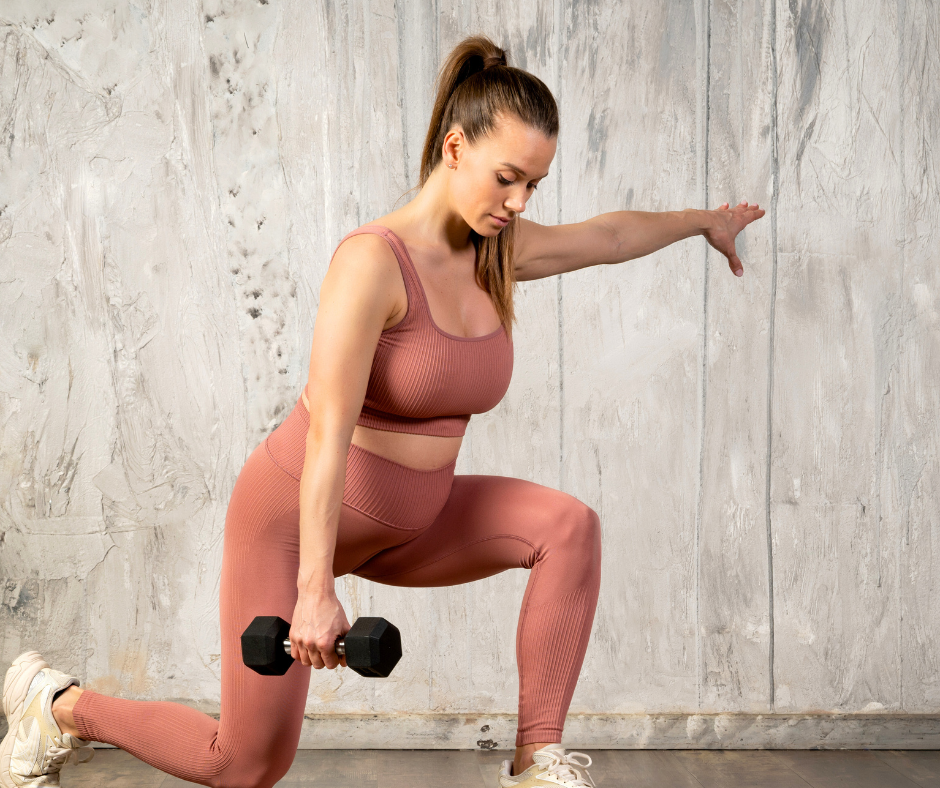
If you’re looking for guidance during your pregnancy, I offer 1:1 strength and Pilates coaching, both in person (Northern Beaches, Sydney) and online.
You can also try this pregnancy-safe upper body strength workout - all you need is a set of dumbbells:
👉 https://kalapilatesonline.com/programs/pregnancy-upperbody-strength